What the Bible Says about What the Bible Does

I’ve been reading the book of Acts this week, following the 5x5x5 New Testament Bible Reading Plan.

(I love the simplicity and accountability of this plan.)

In Acts, from chapter 13 on, the focus is on the ministry of Paul and what God did through him as he traveled throughout the Mediterranean world, planting churches in many cities and making disciples wherever he went.

I wonder if a movie has been made about the life of the Apostle Paul? What an incredible story of how God can turn a man’s life upside down and use him for His glory.

Paul was a man consumed with the Great Commission – to proclaim the gospel, persuading people to turn away from their sin and trust in Jesus as Savior, Messiah, and Lord of all – teaching others how to obey the words of Jesus.

He was a man obsessed with communicating the truth of God as revealed in the written Word of God. I love the way he summarizes his 3-year ministry in Ephesus in Acts 20.

  • He testified to Jews and Gentiles of repentance toward God and faith in Christ (v. 21)
  • He testified to the gospel of the grace of God (v. 24)
  • He proclaimed the kingdom of God (v. 25)
  • He declared the whole counsel of God (v. 27)
  • He admonished everyone with tears (v. 31)
  • He commended the believers to God and the word of his grace (v. 32)

I especially like the way Paul describes the role of the Bible in his ministry in v. 32. “And now I commend you to God and to the word of his grace, which is able to build you up and to give you the inheritance among all those who are sanctified.”

Paul could have said, “I commend you to God and his grace, because God is able to build you up and give you the inheritance.” He could have said that because the way I rephrased verse 32 is also true — but he didn’t. He specifically says that it is the Word of God that builds up God’s people. It is the Word of God that gives us the inheritance.

What’s the difference? Well, again, both are true. I just think it is significant that Paul refers to God and His Word interchangeably. What God does, the Word does. And what the Word does, God does.

Let’s not forget that. Paul’s ministry was focused on communicating the Word of God so that the God of the Word would build up and sanctify people through His Word.

Oh, how grateful we should be, every day, for the gift of God’s all-powerful, life-changing Word! God saves us by means of the Word. “Therefore put away all filthiness and rampant wickedness and receive with meekness the implanted word, which is able to save your souls” (James 1:21). Without the Word, we are lost, like sheep without a shepherd, wandering aimlessly on the road to destruction.

Paul’s summary of his 3-year ministry in Ephesus is a source of both conviction and motivation for me. As I think of my own life, I’ve been asking myself, “How would I summarize the last three years of my life? How often have I testified to people about the gospel and the kingdom of God? When and where have I told my friends, neighbors, co-workers, and family members of the need to repent of sin and trust in Jesus for salvation? Has the communication of the whole counsel of God been my passion? Have I ever admonished someone with tears in my eyes?”

How about you? From the standpoint of giving God’s Word to others, how would describe the last three years of your life?

My friend, may Paul’s ministry be an example for us to follow. May we, too, be consumed with a passion for the Word, not only to read, study, and understand it, but to also believe it, obey it, and share it with others.

Posted in Bible reading, What the Bible Says | Tagged , | Leave a comment

What Does It Takes to Understand the Bible? (Part 3)

What does it take to understand the Bible?

First, it takes hard work. And by that, I mean your hard work.

To benefit from time in the Word . . .


Human Diligence Is Essential
The slothful need not bother, because beneficial time in the Word requires effort. There’s no shortcut. It doesn’t happen magically or automatically.

People who understand the Bible work at it. As Paul said to Timothy, “Do your best to present yourself to God as one approved, a worker who has no need to be ashamed, rightly handling the word of truth” (2 Timothy 2:15).

But self-discipline is not enough. Second, it takes supernatural work. By that, I mean God’s work, because to benefit from the Word . . .

Divine Power Is Necessary
Do you have any understanding of the Bible? Does any of it make any sense to you at all?

Now I know some passages are difficult to comprehend. I’m not asking if you have a perfect understanding of every verse of the Bible. Even Peter said that Paul’s letters “contain some things that are hard to understand” (2 Peter 3:16). I find much comfort in that verse!

But generally speaking, when you read the Bible or listen to a sermon, are you able to say, most of the time, “Yes, I understand the meaning of that passage. It resonates in my heart and mind, and I get it.”

If that is your experience, then you have been the recipient of a divine miracle. If you have any comprehension of the spiritual truth taught in Scripture, it is because God gave it to you.

Yes, you put forth time and effort. And God provided the understanding.

On the day Jesus was raised from the dead, He told the apostles, “44 This is what I told you while I was still with you: Everything must be fulfilled that is written about me in the Law of Moses, the Prophets and the Psalms. 45 Then he opened their minds so they could understand the Scriptures. (Luke 24:44-45).

Like the apostles, we cannot make sense of the Bible unless Jesus opens our minds and by the supernatural work of the Holy Spirit, grants us the gift of understanding.

As Paul wrote: “What we have received is not the spirit of the world, but the Spirit who is from God, so that we may understand what God has freely given us” (2 Corinthians 2:12).

Forsake Pride, Embrace Humility, Plead for Help
As we open the Word and seek to understand it, we should take time to confess and repent of any pride that resides in our souls. I write these words to myself first because I was raised to believe that “If it is to be, it’s up to me.” That’s the devil talking. The idea that “I can do this all by myself” has no place in the Christian life, and so it has no place in God-honoring Bible study.

Jesus said, “Apart from me you can do nothing” (John 15:5). Let’s take those words to heart and remember them every time we read and study the Word.

Apart from the power of Jesus, we can have no understanding of the Word.

Every day, and every time you open the Word, cry out to God, “Open my eyes that I may see wonderful things in your law” (Psalm 119:18).

Pray for yourself what Paul prayed for the Ephesians, “that the eyes of your heart may be enlightened in order that you may know the hope to which he has called you, the riches of his glorious inheritance in his holy people, and his incomparably great power for us who believe” (Ephesians 1:18-19).

These are prayers that God loves to answer.

NOTE: For more on this topic, check out these posts . . .

What Does It Take to Understand the Bible (Part 1)
https://godwrotethebook.com/what-does-it-take-to-understand-the-bible-part-1/

What Does It Take to Understand the Bible (Part 2)
https://godwrotethebook.com/what-does-it-take-to-understand-the-bible-part-2/

Posted in Bible reading | Tagged , , | Leave a comment

How to Share the Bible with Others

Since I started blogging in 2014, the purpose of this website has remained intact: to help people read, study, understand, believe, and obey the Bible.

I keep thinking of additional words to add to this mission statement.

Here’s another one:
To you help you read, study, understand, believe, obey, and share the Bible.

We do not read and study the Bible to only gain understanding. We want to understand the Word so we can believe it and obey it.

But then what? We want to communicate to others what we understand, believe, and obey. Amen?

We don’t keep God’s truth to ourselves. We teach it, proclaim it, and preach it. We explain it and tell people about it. We share what God has taught us about himself and his Son. We take advantage of every opportunity to “speak the truth in love” with family, friends, co-workers, and even strangers.

If you’re a research scientist and discover the cure for cancer, what are you going to do next? Keep it to yourself? Of course not. You’re going to tell the world about it.

We are beggars telling other beggars where to find food.

With that in mind, in the weeks and months to come, I will be highlighting evangelistic and discipleship ministry resources I have found helpful in my efforts to share the good news of God’s Word with others.

Today’s featured resource is:

Ray Comfort and The Way of the Master
I’ve been reading Ray’s books and using his approach to evangelism for many years. You’ll find a boatload of excellent resources, both free and for sale, at the following website:

www.LivingWaters.com
For a thorough introduction to this ministry and its resources  — which has been endorsed by John MacArthur, David Jeremiah, Kay Arthur, Ken Ham, and a host of other evangelical leaders — scroll down to the bottom of the home page and check out these freebies:

Are You A Good Person? (a video)

Are You a Good Person?

Hell’s Best Kept Secret (a sermon by Ray Comfort)

Hell’s Best Kept Secret

True and False Conversion (another sermon by Ray Comfort)

True and False Conversion

Save Yourself Some Pain (a blog post by Ray Comfort)

Save Yourself Some Pain

Ray has written over 100 books. My favorite is The Way of the Master.

The LivingWaters YouTube channel has over 1 million subscribers and its free videos have more than 20 million views. Check them out at https://livingwaters.com/movies/

For a deeper dive, check out The School for Biblical Evangelism here:

School of Biblical Evangelism

Perhaps you are wondering, is the Way of Master evangelism method biblical?
For an objective answer to this question, check out this article.
https://www.gotquestions.org/way-of-the-master.html

Take advantage of the many resources available through this ministry to help us fulfill the Great Commission: “All authority in heaven and on earth has been given to me. Therefore go and make disciples of all nations, baptizing them in the name of the Father and of the Son and of the Holy Spirit, and teaching them to obey everything I have commanded you. And surely I am with you always, to the very end of the age” (Matthew 28:18-20).

Posted in Evangelism | Tagged , , , | 2 Comments

5 Powerful Benefits of Bible Study

It’s easy to read the Bible and overlook the incredible claims it makes.

Take this verse, from the Apostle Peter:

“His divine power has given us everything we need for a godly life through our knowledge of him who called us by his own glory and goodness” (2 Peter 1:3).

What a statement!  What hope this gives us!  God has provided all the power we need to experience a godly life by knowing him.

And God has chosen to impart this knowledge through the Bible.  The written Word of God, along with the illuminating and empowering ministry of the Spirit of God, is sufficient to teach us everything we need to know to do everything for the glory of God (1 Corinthians 10:31).

In Psalm 19:7-11 David uses several adjectives to describe the adequacy of Scripture to meet all our spiritual needs.

The law of the Lord is perfect,
reviving the soul.
The statutes of the Lord are trustworthy,
making wise the simple.
The precepts of the Lord are right,
giving joy to the heart.
The commands of the Lord are radiant,
giving light to the eyes.
The fear of the Lord is pure,
enduring forever.
The decrees of the Lord are sure,
and all of them are righteous.
10 They are more precious than gold,
than much pure gold;
they are sweeter than honey,
than honey from the comb.
11 By them your servant is warned;
in keeping them there is great reward.

The Word is perfect, trustworthy, right, radiant, pure, eternal, sure, and righteous.  And as such, when believed and obeyed, it can accomplish the following: revive the soul, make wise the simple, give joy to the heart, give light to the eyes, and provide a great reward in both this life and the next.

Let’s unpack the meaning of these verses by looking at other Scriptures that collaborate with the teaching of Psalm 19.

  1. The Word revives the soul (v. 7)

To revive means to restore, refresh, convert or transform.  The Bible contains the message we need to be transformed into Christlikeness!  This is why Paul told Timothy that the Scriptures “are able to make you wise for salvation through faith in Christ Jesus” (2 Timothy 3:15).  This is why Peter wrote that “you have been born again . . . through the enduring word of God” (1 Peter 1:23).  So, the Word of God has the power to transform a life through salvation and the second birth.

  1. The Word makes wise the simple (v. 7)

To make wise means to become skilled in the art of godly living, the ability to make right choices for the glory of God.  Psalm 119:98-100 is a compelling description of this: “Your commands make me wiser than my enemies . . . I have more insight than all my teachers, for I meditate on your statutes.  I have more understanding than the elders, for I obey your precepts.”

  1. The Word gives joy to the heart (v. 8)

Again, Psalm 119 says it so well:  “I rejoice in following your statutes as one rejoices in great riches. . . . I delight in your decrees (Psalm 119:14, 16).  “Your statutes are my heritage forever; they are the joy of my heart” (Psalm 119:111).

  1. The Word gives light to the eyes (v. 8)

The Scripture provides the light so desperately needed in our ever-increasing world of darkness.  Solomon wrote: “For these commands are a lamp, this teaching is a light” (Proverbs 6:23). The psalmist conveys the same truth: “Your word is a lamp to my feet and a light for my path” (Psalm 119:105).

  1. The Word promises great reward to the one who obeys it (v. 11)

Blessing will come to the man whose “delight is in the law of the LORD,” and for the person who meditates on the law day and night — “whatever he does prospers” (Psalm 1:1-3). James reiterates this concept so clearly: “But the man who looks intently into the perfect law that gives freedom, and continues to do this, not forgetting what he has heard, but doing it – he will be blessed in what he does” (James 1:25-26).

The Bible is not just another good book.  It claims to be the authoritative, inspired, inerrant, and all-powerful Word of God, and as such, our passion should be to read it diligently and study it prayerfully, asking the Spirit of God to illuminate our understanding of it and enable our obedience to it.

These five benefits are available to every believer: revival of soul . . . godly wisdom . . . a joyful heart . . . spiritual enlightenment . . . a great reward. Through his Word, God is eager to bless you with all of them, today and forever.

NOTE: The above comments are an excerpt from my book, How to Pray Like David: A Bible Study on Psalms 1-41, available on Amazon in Kindle and paperback.

Posted in Bible reading, Thoughts on the Psalms | Tagged , | Leave a comment

How to Think Your Way to Heaven

Here’s a Bible verse that gives us something to think about.

“Set your minds on things above,
not on earthly things.”
Colossians 3:2


It’s a simple command. Well, simple to understand. We are instructed to think about “things above” – heavenly things, like God and Jesus and the Holy Spirit, for starters. And all that He is and has done and promises to do.

We are to spend time focused on spiritual things, directing our minds and hearts toward heaven.

The Christian life isn’t that hard to understand. But when it comes to doing it, ah, that’s the challenge!

How do you put Colossians 3:2 into practice? How do you think about heavenly things rather than earthly things?

Perhaps you’re like me. Do you have days when your mind seems to have a mind of its own?

My brain is like a pinball machine – bouncing here, there, and everywhere. I’m constantly “reeling it in.” In a matter of seconds, my thoughts can be all over the map.

This area of mental self-control is something that I, uh . . . well, think about often!

And our thoughts matter. Especially to God. We can sin with our minds just as often – if not more often – than we sin with our hands and feet and the rest of our bodies (especially our mouths).

I want to love God with all of my heart, soul, mind, and strength. Don’t you?

And here’s one way to do it: meditate on the Word.

How do we do that? By spending time reading and studying the Word. That was the subject of last week’s post, 3 Great Ways to Read & Study the Bible in 2023.

Today, I want to offer some practical advice on how to continually think about spiritual things throughout the day. I usually start the day with a focused time of Bible reading, study, and prayer. My mind is then saturated with God’s truth and that is a great place to be, mentally and spiritually.

But as the day progresses, I find myself drifting away from God. Sooner or later, I come to realize that it’s been a long time (anywhere from a few minutes to a few hours) since I have thought about God at all. I don’t like that. And I gotta think that I’m grieving the Spirit by ignoring Him.

Over the years, I have found that meditating on Scripture throughout the day by memorizing a specific verse or passage is one effective way to keep my mind focused on God. Yes, Bible memorization is not just for children. It’s for grownups, too. It’s one way to turn Colossians 3:2 into a godly habit.

For 2023, here’s what I’m doing to keep my mind on God throughout the day. I’ve set a goal to memorize one Bible passage each week. And here’s where I found 52 great passages . . .

John MacArthur wrote a book entitled, The Heart of the Bible: Explore the Power of Key Bible Passages.

It contains 52 Bible passages on 10 major Bible themes:

  1. The Bible in Your Heart
  2. Knowing and Trusting Our Great God
  3. Understanding God’s Reign
  4. What Happened on the Cross
  5. Accepting God’s Salvation
  6. More Than We Deserve
  7. Living Worthy of Our Calling
  8. What It Means to Follow Jesus
  9. Bringing Light to the World
  10. Our Eternal Destiny

For example, the verses for Chapter 1 are:
Joshua 1:8
Psalm 1:1-2
Psalm 19:7-9
1 Peter 2:1-2
2 Timothy 3:16-17
Hebrews 4:12

Lord willing, these are the passages I’ll be memorizing over the next 6 weeks.

If you’d like to see the verses for the rest of the year, go to Amazon and click on “Read Sample” (on the far left side of the screen, right below the graphic of the cover), then scroll until you come to the Table of Contents.
https://www.amazon.com/Heart-Bible-Explore-Power-Passages/dp/0310142164/

If you’d like to join me in this endeavor, let me know by leaving a comment below and I’ll be happy to pray for you in this regard, that we spend time meditating on the Word through Scripture memorization, and fill our minds and hearts with God’s precious truth all day long.

For more thoughts on the benefits of memorizing Scripture, check out these blog posts:

7 Truths about Biblical Meditation
https://godwrotethebook.com/7-truths-about-biblical-meditation/

5 Ways to Get a Grip on Your Bible
https://godwrotethebook.com/5-ways-to-get-a-grip-on-your-bible/

Bible Memorization Is Not Just for Children
https://godwrotethebook.com/bible-memorization-not-just-for-children/

Posted in Bible memorization | Tagged , , | Leave a comment

3 Great Ways to Read & Study the Bible in 2023

This post is about how to read and study the Bible in 2023.

Specifically, you’ll learn three of my favorite ways to dive into the Word with diligence, delight, and dependence.


But first, some general comments about what it takes to benefit from time in the Word.

Diligence Is Required
The lazy need not apply, because productive, spiritually beneficial Bible reading/study takes hard work and lots of it.

There is no shortcut. It’s not magic. It doesn’t just “happen.” It takes time and effort. And like anything else, the more time and effort you put into it, the more you’ll get out of it.

This is why Paul told Timothy, “Do your best to present yourself to God as one approved, a worker who has no need to be ashamed, rightly handling the word of truth” (2 Timothy 2:15).

Do you want to read and study the Bible this year and experience the presence of God? Do you desire stronger faith, a more intense devotion to Jesus, and a life of increasing holiness and decreasing habitual sin? Then be ready to work at it, because the person who is “rightly handling the word” is a worker.

Delight Should Be the Result
The psalmist prayed, “Open my eyes, that I may see wonderful things in your law” (Psalm 119:18). This prayer is based on the assumption that the Bible is packed with many wonderful truths about God that, when properly understood, will fill us with delight in him. Yet the Bible is also described as a two-edged sword that will pierce our souls and judge our hearts (Hebrews 4:12), which, of course, will be painful. But even the end result of the Spirit’s convicting work will be confession, repentance, and the joy of forgiveness.

Psalm 1 tells us that the blessed person’s delight “is in the law of the Lord, and on his law he meditates day and night” (Psalm 1:2). One of the main goals of Bible study should be to know God better, and “knowing God is a relationship calculated to thrill a man’s heart” (J.I. Packer, Knowing God).

Prayer Is the Indispensable Demonstration of Dependence
What is the biggest mistake we can make when opening the Word? Forgetting to pray – before, during, and after our time of reading and studying.

To read the Bible without prayer is to declare our independence from him. To incorporate prayer is to demonstrate our dependence on him. Oh, how we need God’s help! We need his Spirit to provide both the illumination to understand and the power to obey. Without Jesus, we can do nothing (John 15:5).

Psalm 119:18 (see above) is a great prayer whenever you study the Word. And here are four more prayers that God loves to hear from your heart and mouth:
https://godwrotethebook.com/do-you-make-this-mistake-when-reading-the-bible/

To handle the Word “rightly,” and to experience delight in God while doing so, here’s how I’ve been reading and studying the Bible the past few years.

METHOD #1:
Read the Word Comprehensively and Consistently.
Bible reading plans are an excellent tool to keep us on track. I spent several years reading the whole Bible in a year. Lately, I’ve been focusing on reading the New Testament in a year, 1 chapter a day, 5 days a week, while also reading specific books of the Old Testament each year.

We read to get the big picture. When we see the big picture of the Bible, the individual books become much easier to understand.

When I started to read the Bible in its entirety, my understanding of Scripture skyrocketed to a new level.

For more thoughts on the benefits of reading the whole Bible, please check this out:
https://godwrotethebook.com/a-better-way-to-read-the-bible/

As far as the nuts and bolts of this method, you’ll find a wide variety of Bible reading plans here.
https://www.ligonier.org/posts/bible-reading-plans

The New Testament plan that I’ve been using is called the “5x5x5 New Testament Bible Reading Plan.”
https://www.navigators.org/wp-content/uploads/2021/12/navigators-5x5x5-new-testament-bible-reading-plan.pdf

METHOD #2:
Study the Word by asking and answering good questions of each passage.
I like Erik Raymond’s “CRAM” Bible study method.
https://www.thegospelcoalition.org/blogs/erik-raymond/a-tool-for-reading-the-bible-devotionally/

Each letter in the “CRAM” acronym represents a specific question that you ask of the text. These questions will enable you to draw insights from the passage about God and yourself, and cause to you look deep into your life for ways to become more like Christ by focusing on him.

I know he calls this a tool for reading the Bible “devotionally,” but don’t let that word fool you into thinking that this method will be an easier or less intense approach. I find that when I answer all four questions thoroughly, God feeds my soul with a rich banquet of truth.


METHOD #3:
Go deeper by studying the Word one passage and one verse at a time.
Heather Erdmann’s book, A Week in the Word: Dig Deep into God’s Word One Passage and One Week at a Time, provides an in-depth yet straightforward approach that I have been using with life-changing results.
https://www.amazon.com/Week-Word-Deep-into-Passage/dp/B0BJYGHY69

I gave this book a 5-star review on Amazon because the author has done exactly what she promises to do: provide “an insightful Bible study guide to enhance your daily quiet time.”

The indispensable basics of proper Biblical interpretation are covered in a concise and easy-to-understand writing style: context, key words and their meanings, cross-references, translations, commentaries, application, and more. Best of all, I love how you are always directed to learn what the passage teaches about God, for the Bible is mainly about him, not us. This is a simple-to-follow plan that will show you how to immerse yourself in one passage each week.

There are many valid ways to read and study the Bible. If you take the time to use one, two, or all three of the above methods, God will enrich your life with the unspeakable joy of knowing him intimately.

Posted in Bible reading, Knowing God, Prayer | Tagged , , , | Leave a comment

A Better Way to Read the Bible in 2023

There are many good ways to read the Bible. The purpose of this article is to explain what I call “A Better Way” to read it.

Please take note that I’m going to discuss reading the Bible rather than studying it, meditating on it, or memorizing it (which, of course, are also valuable ways to spend time in the Word).

But first, let’s address the issue of whether we actually read the Bible. It appears to me that many professing Christian don’t read the Bible much. If they do, it’s with inconsistency and/or scarcity.

By “inconsistency,” I mean it’s not a habit. We don’t read the Bible regularly. We do it every now and then, hit or miss, haphazardly. “Maybe I’ll spend time in the Word today, maybe I won’t.”

Such an approach to Scripture reflects the attitude that reading the Word is not a priority. “I’m busy. I’ve got a job and a family and things to do. And reading the Bible just isn’t that important to me.”

“I still love God. I attend worship services regularly and give money and serve in the church. I’m doing fine without this ‘Quiet Time’ people talk about. Having ‘devotions’ is just not something I see the need to do.”

By “scarcity,” I mean that it’s for very short periods of time, and it may involve reading one verse from a daily devotional book that follows this format: a verse is quoted and then the author provides a few paragraphs of explanation and application, along with a prayer at the end.

Such devotional books are as popular today as they’ve ever been. And I’m not condemning them. These books contain God’s truth and are written by devoted Christ-followers whose sincere motive is to communicate the Word of God to the people of God.

I have read and benefitted from such books. My wife and I have read John Piper’s The Dawning of Indestructible Joy, twenty-five daily readings for advent. It was excellent and follows the format described above.

But if this “verse a day” approach is the only way we read the Bible, aren’t we shortchanging ourselves? Certainly it’s better than nothing. But I believe there’s something missing here, and I hope I can explain why by introducing you to A Better Way to Read the Bible.

To unpack A Better Way to Read the Bible, please think of your favorite book (other than the Bible). It could be fiction or non-fiction. It can be a book you’ve read at any time in your life – a childhood treasure or a classic you read for a college literature class. Or maybe it’s a book you read recently. It could be Alice in Wonderland or Grapes of Wrath or Chicken Soup for the Soul.

Now, think for a bit about why you like this book so much. And how you enjoyed reading it and benefited from it — how worthwhile it was.

Pretend you are talking to someone about this book, perhaps a good friend or a family member or a co-worker. This person has not read the book, even though he may have heard of it.

And you want to explain how to read your favorite book. Now notice I did not say to share why you liked this book so much. Let’s assume you’ve already done that. Right now, I want you to explain how to read it.

What are you going to say? Would you say things like this:
1. Do not begin reading the book at the beginning.
2. Do not read the whole thing.
3. Instead of reading the entire book from start to finish, over the next 365 days take a random sentence (or at most, a paragraph) from anywhere in the book and read just that.
4. It doesn’t really matter what you read each day, or what part of the book you read, just read a small portion each day, in no particular order.
5. Not sure where to start? Just pick any page at random and start there. Or, find someone who has read the whole book and have them suggest which 365 sentences (or paragraphs) you should read over the next year.
6. If you find one particular sentence, paragraph or chapter that you really like, you can read just that over and over.
7. After a while, you may find many sentences, paragraphs and even chapters that you like a lot – your favorite sections. It’s OK to read those parts repeatedly, and there’s really no need to concern yourself with reading the other parts that you have not read.

What do you think of that approach?

Or instead, would you say this: “Start at the beginning and read the whole book.”

Obviously, you’d go with the last comment, right?

A Better Way to Read the Bible is to read the Bible like any other book, because to really understand a book, don’t you have to read the whole thing? And isn’t one of the main goals of reading the Bible to understand it? Therefore, shouldn’t we read it like any other book?

Do you find the Bible confusing and difficult to understand? Perhaps this is because you’ve never read it like you read any other book. You’ve never read it from start to finish. You’ve never read the whole thing.

So this is A Better Way to Read the Bible – read it like any other book.

I wonder how what percentage of Christians have actually done this: read the entire Bible. I have no idea. What do you think?

But it doesn’t matter how many other people have or have not done this.

I’m concerned about me and you.

Have you read all 66 books of the whole Bible, Genesis to Revelation? If so, great!

If not . . . . what would be the reason why? Over the next few days, perhaps it would be good to reflect on this question, asking God to reveal the answer to you. And if you are so inclined, send me an email and let me know how that exercise goes for you.

Back to your favorite book . . . I assume you’ve read the whole thing. How long did it take you to do that? And by that, I mean not so much how many total hours you spent reading, but over what period of time did you read it? How many days or weeks or months or years did it take you?

I’m going to go out on a limb and say it took you a few weeks or a few months, at most, to read the whole thing.

So when we come to the Bible with this idea that we should read it like any other book, should we not make it a priority to read the entire book within a reasonable amount of time? Of course, the Bible is longer than the typical book that you would check out from the library, much longer. Depending on the font and paper size of your version, the typical Bible is over 1,000 pages.

When determining a “reasonable” amount of time to read the entire Bible, many have settled on the well-known “read the Bible in a year” timeframe. I think that’s a very doable objective, especially when you consider that this works out to about 3 chapters per day, which should take even a slow reader about 20-30 minutes max.

Think about that. If you set aside 30 minutes a day for 365 days, you can read the whole Bible in a year. How many of us spend at least a half-hour each day texting, watching TV, surfing the internet, liking Facebook posts, and any number of other potentially time-wasting activities. (Over the years, my weakness has been TV, especially sporting events. I wonder what my life would be like today if, over the past 55 years, I spent as much time reading as I did watching television.)

So reading the whole Bible is not such a daunting task after all. And this is how we read virtually every other book. Why not approach the Bible in the same manner?

What do you say? Does anything I’ve written so far resonate with you? I pray that it does.

Let me close by telling you about my own experience with Bible reading. When I started to read the Bible in its entirety, my understanding of Scripture skyrocketed to a new level.

It was amazing. I could go on and on about this. But it’s true. God used this simple exercise of seeing the big picture of Scripture to provide insights into the meaning of all the various parts. And there are many parts to the Bible, starting with the two main parts:  Old Testament and New Testament. In the Old Testament, there are the historical books and the Law of Moses; there are the wisdom books like Job, Psalms and Proverbs; and there are the prophetic books  — longer ones like Isaiah, Jeremiah and Ezekiel, and a bunch of shorter ones like Jonah and Micah and Malachi. Then there’s the New Testament, with the Gospels and the Acts of the Apostles; then come the letters written to churches and individuals; and then comes the grand finale of Revelation.

Whew! How do we make sense of all those different authors and genres and famous characters?

We begin by taking a step back and realizing that while the Bible is an incredibly diverse collection of 66 books (like a 1,000 page mini-library), and it is also one book with one Author, namely God. Yes, God wrote this book!

And to understand the Bible as one book with one Author, we need to read the whole thing in a reasonable period of time. I pray you’ll see the value in that today, and that you’ll experience the joy of reading the entire Bible. May God be with you as you do.

Also, many Bible reading plans are available online. These provide a schedule for the year, telling you which books to read in what order, and which chapters to read each day. There are several ways to do this, so take a look at these plans and pick one that you like and give it a go.

Here’s one that I recommend called The 5 Day Bible Reading Plan.

For additional plans, Click Here.

Got questions or want to dialogue with me about this? Please leave a comment below or contact me via email.

Posted in Bible reading | Tagged , | 3 Comments

The Birth of Jesus and the Joy of God

“Joy to the world, the Lord is come!”

The most important time in the history of the world began when “the Word became flesh and dwelt among us” (John 1:14). God the Son lived on earth in a human body, so he could die and rise again to bring salvation to all who would believe in him.


This is the greatest story ever told and the best news we could ever hear.

Here’s another of my favorite passages about the birth of Jesus:

And there were shepherds living out in the fields nearby, keeping watch over their flocks at night. An angel of the Lord appeared to them, and the glory of the Lord shone around them, and they were terrified. 10 But the angel said to them, “Do not be afraid. I bring you good news that will cause great joy for all the people. 11 Today in the town of David a Savior has been born to you; he is the Messiah, the Lord.” (Luke 2:8-10)

The birth of our Savior was designed by God to “cause great joy for all the people.”

One evidence of genuine faith is “great joy.” Mary had this joy, and she expressed that joy by writing a song about God’s goodness to her in Luke 1:46-55.

And Mary said, “My soul magnifies the Lord, and my spirit rejoices in God my Savior” (Luke 1:46-47). Truly, God had done “great things” for her (Luke 1:49), and her heart was full of joy.

What is joy? And how do you know if you have it?

In his book The Fruit of the Spirit: The Measure of Christian Maturity, Andy Ripley defines it as “permanent satisfaction.” I love that description of joy. I long for that.

How do you receive this joy? Again, I quote Mr. Ripley:

“Our joy comes from Jesus. This joy arrives in our hearts when we hear and receive His words.”

“We can be filled with an amazing joy when we grasp just what he has done for us. When we truly understand our sin and how awful it is, and when we truly understand our Savior and how incredible He is, then there is nothing for us to do but be filled with thankfulness and joy at what is in store for us. In knowing Jesus, there is available to us great joy – a permanent satisfaction. This is how I would define the joy of the Lord; this joy is a permanent satisfaction. It is a satisfaction that cannot be reduced or eradicated.”

And why is that? Because . . .

“This joy, which is the fruit of the Holy Spirit, is unlike anything which is produced from the natural world in the heart. It is a joy that is completely unique to the regenerated soul . . . And because it is not connected to anything in the natural world, nothing that happens in the natural world can take it away. Poverty . . . Sickness . . . Persecution cannot take it away. If your joy can be stolen from you by financial loss, or sickness or persecution, or any other reasons, then you are not experiencing the joy of the Lord.”

Instead, our joy comes from knowing Jesus and what He has done for us.

“The joy of the Lord arises from . . .
Leaving all our burdens at his feet
Believing that He has forgiven our sins entirely
Knowing that nothing can come into our lives which God does not send or permit
Knowing that we have been lifted out of the world of sin and sorrow and death
Knowing that we have been planted forever into the realm of God’s light and love
Knowing that we have already received eternal life
Knowing that we have begun to live with Him and in Him”

This is why we can have the joy that the apostle Peter described as “inexpressible and glorious.” In other words, a supernatural joy that comes only from God:

“Though you have not seen him, you love him; and even though you do not see him now, you believe in him and are filled with an inexpressible and glorious joy, for you are receiving the end result of your faith, the salvation of your souls.” (1 Peter 1:8-9).

This is why we celebrate Christmas! Because of what Jesus has done for us, we have “great joy” in him. Like Mary, you and I can now say, “my spirit rejoices in God my Savior” (Luke 1:47).

Rejoice, my friend, rejoice! God our Savior came to earth 2,000 years ago – to be with us, to save us from our sins, and to give us his eternal joy.

For more insights on the relationship between the birth of Jesus and the attributes of God, check out these blog posts:

The Birth of Jesus and the Holiness of God
https://godwrotethebook.com/the-birth-of-jesus-and-the-holiness-of-god/

The Birth of Jesus and the Mercy of God
https://godwrotethebook.com/the-birth-of-jesus-and-the-mercy-of-god/

The Birth of Jesus and the Power of God
https://godwrotethebook.com/the-birth-of-jesus-and-the-power-of-god/

NOTE: Andy Ripley’s book The Fruit of the Spirit is available on Amazon here:
The Fruit of the Spirit

Posted in Attributes of God, Christmas, Jesus Christ | Tagged , , , , | Leave a comment

The Birth of Jesus and the Power of God

This post continues our study of the relationship between the birth of Jesus and the character of God.

The Christmas story, like every other story in Scripture, shows us that God’s attributes are inseparable from and lead inevitably to his actions.

The incarnation teaches what we see throughout the Bible: God does because of who God is.

Psalm 119:68 provides a concise summary of this glorious truth:
“You are good and do good.”

Mary’s hymn in Luke 1:46-55 demonstrates this. She is praising God because “he . . . has done great things” (v. 49). Two weeks ago, we discovered that God sent his Son to earth because of his holiness (v. 49). Last week we saw that God provided a Savior because of his mercy (v. 50. 54). This week, we will focus on his power as yet another wonderful reason for the season.

Our God is “the Lord God Almighty” (Revelation 4:8). He is the possessor and source of all power in the universe. As David wrote, “Once God has spoken; twice have I heard this: that power belongs to God” (Psalm 62:11).

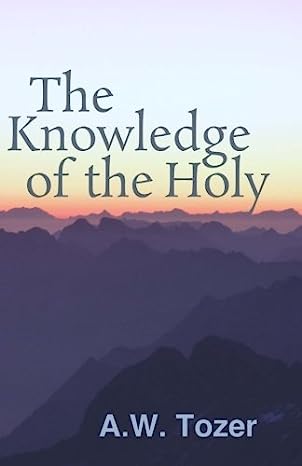
I again quote A.W. Tozer. “God has power. Since God is also infinite, whatever He has must be without limit; therefore God has limitless power. He is omnipotent.” (The Knowledge of the Holy)

As Steven Lawson writes, “Because God has all power, He can do any one thing as easily as He can do another thing. It is all the same to God. Whatever He does is done effortlessly, because nothing is difficult for him to carry out. When God acts, He loses none of His strength. He expends no energy that must be replaced. Because He is immutable, He never needs to regain any lost strength. His power always remains unchanged.” (Show Me Your Glory)

Mary was well aware of God’s power. Note her repeated mention of it:

He who is mighty has done great things for me” (v. 49)
He has shown strength with his arm;
he has scattered the proud in the thoughts of their hearts (v. 51)
he has brought down the mighty from their thrones
and exalted those of humble estate (v. 52)

What God Did for Mary
Obviously, God performed an unparalleled work of power in Mary. A virgin became pregnant. How can that happen? Humanly speaking, it doesn’t. It’s impossible. But “nothing is impossible with God” (Luke 1:37), because God has the power to do the humanly impossible. He’s the Creator of the universe, the One who made everything from nothing. Certainly, God can create a human being to appear in Mary’s womb. “Behold, I am the Lord, the God of all flesh. Is anything too hard for me?” (Jeremiah 32:27)

What God Does for All
God’s power to bring about the virgin birth of the Messiah is the same power that brings about the final destiny of all people. Note the shift in Mary’s emphasis from what God did “for me” (verses 46-49) to what God will do for the rest of humanity (verses 50-53).

There are only types of people in the world, and Mary describes them both:

The humble and hungry (v. 52-53).
Like Mary, they fear God and are blessed and exalted by him (v. 48, 50, 52).

The proud and rich (v. 51-53).
When God brings them down, their short-lived wealth and so-called “might” will vanish like a mist (v. 51, 53).

The humble are the spiritually hungry people who receive God’s good gifts of salvation – those spiritual blessings of regeneration, adoption, justification, and reconciliation, as taught in the New Testament writings of the apostles and their associates. Because of God’s power, the Father sent Jesus to earth so we could be “delivered from the dominion of darkness and transferred into the kingdom of his beloved Son, in whom we have redemption, the forgiveness of sins” (Colossians 1:13-14). Only the infinite strength of God can provide these blessings of never-ending fullness.

In stark contrast, God “scatters” the proud and mighty, bringing them down from their thrones and sending them to the lake of fire, to a hell of eternal agony and conscious torment, a place with nothing but sorrow, regret, and poverty.

In the end, the hungry become rich and the rich become poor. Speaking as if these events have already happened (as in Isaiah 53), Mary rejoices in her God as the One who will destroy those who reject Christ and elevate those who revere and adore him. Like the Old Testament prophets, she speaks about the effects of Christ’s first and second advents. Jesus comes the first time as the lamb-like Savior, canceling sin’s debt by laying down his life for the sheep. And he comes a second time as the lion-like Judge and Executioner to oppose the proud and defeat the mighty. “Your right hand, O LORD, is majestic in power, Your right hand, O LORD, shatters the enemy” (Exodus 15:6).

Only the power of God can make this happen. When we see the condition of the world today, Mary’s hope-filled psalm can seem like a far-fetched pipedream. But when we focus on the omnipotence of God – meditating on his promises and his infinite power to fulfill them – we can rest assured that one day there will be “new heavens and a new earth in which righteousness dwells” (2 Peter 3:13).

Like Mary, let’s magnify the Lord for his incomparable power. “Blessed be the name of God forever and ever, to whom belong wisdom and might” (Daniel 2:20). Only Jesus is “the radiance of the glory of God and the exact imprint of his nature, and he upholds the universe by the word of his power” (Hebrews 1:3).

Posted in Attributes of God, Christmas, Jesus Christ | Tagged , , | Leave a comment

The Birth of Jesus and the Mercy of God

I love a good quote about the Bible.

Here’s one:
“The Bible is a book about God”
(Jen Wilkin, Women of the Word).

God’s Word is God’s autobiography.


Therefore, the story of Christmas as told in the Bible is a story primarily about God. To understand its meaning, we do well to ask questions of the text, such as “What does this passage teach me about God?” and “What can I learn from these verses about the character and attributes of God?”

Let’s take this approach when reading Luke 1:46-55, Mary’s song of praise after the angel Gabriel gave her the news that she will give birth to the Messiah, “the holy one,” the Son of God (Luke 1:35).

We can learn much about God in Mary’s hymn because at least four of his attributes are mentioned:

The holiness of God (Luke 1:49)
The mercy of God (Luke 1:50, 54)
The power of God (Luke 1:49, 51)
The joy of God (Luke 1:47)

This December I’m focusing on God’s reasons for the birth of Jesus. I need to do this because every day I am inundated with the world’s reasons for Christmas, which sadly focus on the pursuit, acquisition, and accumulation of material possessions. I want to spend time meditating on what God says about Christmas. To that end, last week’s post was about The Birth of Jesus and the Holiness of God and we saw how God’s holiness prompted him to send Jesus to earth.

This week, we will see the role of the mercy of God in the incarnation of the Son of God.

God’s mercy was on Mary’s mind when she composed this sacred hymn – she refers to it twice. Note verse 50: “his mercy is for those who fear him from generation to generation.” Note also verse 54: “He has helped his servant Israel, in remembrance of his mercy.”

What is the mercy of God?

I like Wayne Grudem’s definition: the mercy of God is “God’s goodness toward those in misery and distress” (Systematic Theology). And A.W. Tozer writes that “Mercy is an attribute of God, an infinite and exhaustible energy within the divine nature which disposes God to be actively compassionate . . . Forever His mercy stands, a boundless, overwhelming immensity of divine pity and compassion . . . Mercy is the goodness of God confronting human suffering and guilt . . . It is human misery and sin that call forth the divine mercy” (The Knowledge of the Holy).

Mercy, then, is the goodness and compassion of God toward guilty sinners who are in a most miserable condition. Because of our transgressions, we’ve made a mess of our lives and this planet. We are therefore in need of divine pity to get us out of the muck and mire caused by the sin that holds us captive and keeps us there.

Just how miserable is our situation? It’s like this . . .

You and I and the rest of the human race are on the Titanic, and we are going down with the ship. We are desperately looking for help, but cannot find any. There are no life preservers, no lifeboats, no helicopters. There is no one who can get us off that ship or get us out of the water and take us to safety. We are doomed to die. We are going to drown or we are going to freeze to death. Take your pick. There is no hope.

That is what it means to be “in misery and distress.”

Oh, it’s wise to emphasize again that we are in this predicament because of what we have done. We caused the ship to sink. It’s our fault that this vessel rammed into an iceberg. We are responsible for this mess. We have no one to blame but ourselves.

That is what it means to be “dead in our trespasses” (Ephesians 2:5), “having no hope” (Ephesians 2:12), and “a slave to sin” (John 8:34).

It is this condition of hopeless misery that prompted God to take action on our behalf. The two sweetest words in the Bible are “But God.” And the four words that come next are also sweeter than honey.

“But God . . . being rich in mercy” (Ephesians 2:4).

God is merciful because he is “rich in mercy.” Don’t you love hearing those words? I do.

God has an unfathomable abundance of goodness and kindness toward us. His mercy disposes him to be “actively compassionate.” His mercy causes him to take action to relieve our misery, to provide a solution to our Number One problem of sin and all its life-destroying consequences in both this age and the next.

Mary sang that “in remembrance of his mercy” (Luke 1:54) God has provided a Savior, “my Savior” (Luke 1:47), the Lord Jesus Christ, to come and save us from the eternal misery of sin and the hell we deserve because of it. Our Savior Jesus comes and picks us up off the deck of that sinking ship. He appears and scoops us out of the freezing water and takes us to be with himself.

We celebrate Christmas because “The Lord is merciful and gracious, slow to anger and abounding in steadfast love” (Psalm 103:8). We celebrate Christmas because God is rich in mercy, and therefore “the Father has sent his Son to the Savior of the world” (1 John 4:14). We celebrate Christmas because this baby was born to die as the “Lamb of God, who takes away the sin of the world” (John 1:29). And because Jesus died, “he saved us, not because of works done by us in righteousness, but according to his own mercy” (Titus 3:5).

Take time this Christmas season to praise and thank God for his bountiful mercy. It is one of the most precious reasons for the season. And this mercy is for you, if you “fear him” (Luke 1:50) by forsaking your pride and humbling yourself before him. “As a father shows compassion to his children, so the Lord shows compassion to those who fear him” (Psalm 103:13).

Posted in Attributes of God, Christmas, Jesus Christ | Tagged , | Leave a comment