How to Find Wisdom God’s Way (Thoughts on Psalm 2)

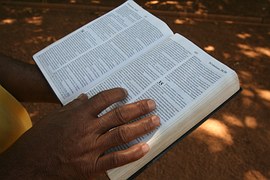
bible-books-610334__180Would you like to obtain wisdom? After you’re gone, or even now, wouldn’t it be nice if people spoke of you as a “wise” person?

Obviously, wisdom is a prized possession and we all seek to have it in greater measure as the years fly by. But how do we acquire it?


This article will answer that question from the lips of God Almighty, the ultimate source of wisdom.

If you are looking for advice on how to get wisdom, Psalm 2 is a good place to start. This ancient Jewish hymn describes the peoples of the world in foolish rebellion against God and his Messiah, the Christ. The obstinate masses are led by kings and rulers who are determined to oppose the King of the universe and his ways. These leaders “take counsel together against the Lord and his anointed, saying, ‘Let us burst their bonds apart and cast away their cords from us’” (Psalm 2:2-3).

God responds to this defiance with the laughter of derision: “Then he will speak to them in his wrath, and terrify them in his fury, saying, ‘As for me, I have set my King on Zion, my holy hill’” (Psalm 2:5-6).

People can squander all their days in opposition to God, even though he has granted us the gift of life. Every breath we take is only because he, in a faithful display of love and mercy, has allowed us the privilege of existence.

And so the psalmist concludes with a series of five simple commands that if obeyed will result in the lifting of God’s wrath and the outpouring of divine blessing. “Be wise . . . Be warned . . . Serve the Lord with fear . . . Rejoice with trembling . . . Kiss the Son” (Psalm 2:10-12).

We fulfill the first command by complying with those that follow. Wisdom comes to those who acknowledge the error of their ways and take the warning of God’s Word to heart. The wise man is the one who realizes that serving God is the ultimate priority of life, and the joy of obedience is marvelously mingled with fear and trembling. Loving God does not mean we ever forget how close we came to spending eternity in the lake of fire.

We are wise only when we bow the knee to King Jesus, offering him the kiss of devotion and a life of humble dependence on his grace. This is the way of God’s wisdom. All other ways can only lead one down the path of foolishness, folly and ultimate destruction.

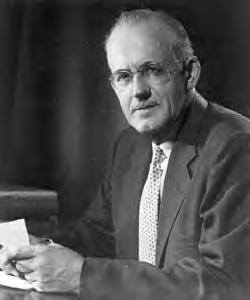
As Charles Spurgeon wrote, “To a graceless neck the yoke of Christ is intolerable, but to the saved sinner it is easy and light. We may judge ourselves by this: do we love that yoke, or do we wish to cast it from us?”

Posted in Thoughts on the Psalms | Tagged , , | Leave a comment

How to Find Happiness God’s Way (Thoughts on Psalm 1)

bible-coffee-276067__180We all long to be happy; there’s nothing wrong with that. Indeed, God wants us to experience happiness. It is his will for our lives.

The purpose of this post is to see how God both defines happiness and provides a clear path to obtaining it, according to Psalm 1:1-2.

The first two verses of Psalm 1 describe the man or woman who is “blessed.” This is such an often-used word, but one that captures the essence of the Christian life. It simply means “happy.” But it’s a happiness that comes from a right relationship with God, an internal contentment and joy regardless of external circumstances. It is something we can and should experience even when plagued by hardship and suffering.

How do we obtain such an attitude? Psalm 1:2 answers that question: “His delight is in the law of the Lord, and on his law he meditates day and night.”

When you think of the word “delightful,” what comes to mind? I’ve got my list. A walk in the woods. A cool breeze on a hot day. A home-cooked meal. Time with family. We all have activities and relationships that bring much delight into our lives.

The psalmist says that he finds delight in the law of God. “Law” means instruction or teaching. So this can be a reference to the entire Word of God, not just the “Law of Moses” or the Ten Commandments.

The psalmist finds delight in God’s Word because “on his law he meditates day and night.” We all spend our day with a million and one thoughts racing through our minds, competing for our attention. Take a moment and think about what you think about. No pun intended, but it is mind-boggling, isn’t it?

So many thoughts can be random, meaningless and, of course, negative. Oh, how I regret the countless hours I’ve wasted on the battlefield of my mind. There must be a better way to use our minds! And there is. It is right here in Psalm 1:2 – the antidote for a wandering mind is to discipline ourselves so that we regularly focus our attention on the Word of God by reading it, studying it, and memorizing it.

If you are new to the Bible, this can be a challenge at first. But it is well worth the time and effort. I urge you to make Bible-time a priority in your life. Like any new habit, start small and focus on setting aside a specific time to meet with God daily by reading his Word and praying about what you read.

Consistency is the key. Set a simple goal for yourself, such as 15-20 minutes each day for the next 21 days. Example: Read a chapter a day in the book of Psalms and in three weeks you will have read 21 psalms! Wouldn’t that be a good thing? Yes! In fact, that would be delightful!

We’re not talking about a huge amount of time. Reading one psalm should take about 5 or 10 minutes. You could start a Bible reading journal, and after reading a psalm, write down your thoughts. Answer these simple questions: What did I learn about God in this passage? And what is my response to this teaching? Or, to borrow from Francis Schaeffer, in light of this passage, how should I then live?

Then pick your favorite verse from the psalm, write it down on a 3×5 card, and carry it with you. As opportunity presents itself during the day, reflect on this verse by taking out the card and reciting the verse when standing in line at the store or walking to your car or waiting in the doctor’s office.

Conclude your Bible reading and journaling with a time of prayer, asking God to help you memorize this portion of Scripture by meditating on it throughout the day.

The rewards of a life of daily meditation on the Bible are great: God says you will be blessed. You will experience the happiness that comes from the world’s most reliable source of never-ending delight – the Creator of heaven and earth.

Posted in Thoughts on the Psalms | Tagged , , | Leave a comment

Bad News and Good News Plus Spurgeon On Prayer

spurgeon-sitting-books

I’ve got some bad news and some good news.

First, the bad news.

My favorite preacher is dead.

On January 31, 1892 Charles H. Spurgeon passed away.

Perhaps you’ve heard of him? Known as the “Prince of Preachers,” he was the pastor of the Metropolitan Tabernacle, a Baptist church in London, for 38 years.

Now the good news.

He was a prolific author and is arguably the most widely read and published author in the history of the Christian church. Most of his sermons were transcribed and are available in print to this day.

More good news . . . Virtually all his sermons and books, since they are in the public domain, can be found online for free.

His best known book is a brilliantly written work entitled The Treasury of David. (See below for info on how to get a free copy.) It’s a commentary on the book of Psalms. I’ve been reading it lately and I’m here to tell you, it is delightful.

No one writes like Spurgeon. No one explains Scripture like Spurgeon. I’d like to introduce you to his writing with some quotes.

Spurgeon on Prayer

Psalm 4:1 – Answer me when I call to you, O my righteous God.
“It is not to be imagined than he who has helped us in six troubles will leave us in the seventh. God does nothing by halves, and he will never cease to help us until we cease to need. The manna shall fall every morning until we cross the Jordan.”

Psalm 4:3 — The Lord will hear when I call to him.
“Since God chose to love us he cannot but choose to hear us.”

Psalm 4:6-7 – Let the light of your face shine upon us, O Lord. You have filled my heart with greater joy than when their grain and new wine abound.
“The true believer drinks not from the muddy pools of Mammon, but from the fountain of life above. The light of God’s countenance is enough for him. This is his riches, his honor, his health, his ambition, his ease. Give him this, and he will ask no more. Christ in the heart is better than corn in the barn or wine in the vat. Corn and wine are but the fruits of the world, but the light of God’s countenance is the ripe fruit of heaven. Let my granary be empty, I am yet full of blessings if Jesus Christ smiles upon me; but if I have all the world, I am poor without him.”

Psalm 4:8 – I will lie down and sleep in peace, for you alone, O Lord, make me dwell in safety.
“They slumber sweetly whom faith rocks to sleep. No pillow so soft as a promise; no coverlet so warm as an assured interest in Christ.”

Psalm 5:1 — Give ear to my words, O Lord.
“Words are not the essence but the garments of prayer.”

Psalm 5:1 —  Consider my sighing.
“Let us cultivate the spirit of prayer which is even better than the habit of prayer. We should begin to pray before we kneel down, and we should not cease when we rise up.”

Psalm 5:2 —  Listen to my cry for help.
“To a loving father his children’s cries are music, and they have a magic influence which his heart cannot resist.”

Psalm 5:3 — Morning by morning, O Lord, you hear my voice
“We can sooner die than live without prayer.”

“Prayer without fervency is like hunting with a dead dog, and prayer without preparation is hawking with a blind falcon.”

“Let not our prayers and praises be the flashes of a hot and hasty brain, but the steady burning of a well-kindled fire.”

For More of Spurgeon 

You can access Spurgeon’s The Treasury of David for free here:
http://www.romans45.org/spurgeon/treasury/treasury.htm

You can get the Kindle version here for $0.99 (yes that is not a typo – 99 cents!)
http://www.amazon.com/dp/B00YLU5WM6/

To read his sermons, visit
To learn about the man and his ministry, visit


Posted in Quotes | Tagged , , , | Leave a comment

Why Trust the Bible? (Product Review)

by Dr. Timothy Paul Jones

WhyTrustTheBibleAttacking the Word of God has been going on for centuries. So it should come as no surprise to 21st century believers that bashing the Bible is a popular pastime in our day. This report does a fine job defending the reliability of Holy Scripture against the attacks of so-called “new critics” such as Bart Ehrman. Dr. Timothy Paul Jones has done a fine job dissecting the false claims made recently about the surviving manuscripts of the Bible. One by one, he refutes these statements with clarity, common sense and historical accuracy. Mr. Jones has done his homework, and he is able to communicate the truth about the Bible’s trustworthiness in an easy-to-understand writing style.


There are many in-depth books on the reliability of Scripture. Evangelicals have done well in this regard. But I like this pamphlet because it provides a concise introduction to a subject that can never be written about enough. Sceptics are everywhere, and believers need well-written resources that can be presented to those who doubt that the Bible can be trusted. This report fits the bill perfectly as something to give a family member, friend or co-worker who has been inundated with lies and is therefore in desperate need of the truth.

Believers both young and old would also do well to read this report and benefit from its teachings. Do not let its brevity fool you. It is packed with information that will strengthen your faith in God by strengthening your faith in the reliability of His Word.

This pamphlet is published in multiple formats by Rose Publishing. Click Here for more information and to purchase a copy today.


Posted in Book Reviews, Uncategorized | Tagged , | Leave a comment

What Did Jesus Talk About Repeatedly?

cross-3-66700__180Happy Spring!

According to the calendar, March 20 is the first day of Spring, my favorite time of year. I live in Fort Wayne, Indiana, where the winters can be brutally cold and the summers blistering hot. So I’m lovin’ these 50 and 60-degree days. God is good!

For the past 30 years, I’ve made a living as a tax accountant. So Spring is also my busiest time of year, working hard to help U.S. taxpayers meet the April 15 tax return deadline. What amazes me is that after all these years of crunching numbers, I still like what I do. God is good!

And I’m thankful that my office is only a 5-minute drive from a densely wooded public park with several miles of hiking trails. I often go there on my lunch break to take a 20 or 30-minute walk in the woods. It’s a great way to recharge my frazzled brain and enjoy the sights and sounds of God’s creation. I return to work refreshed. God is good!

But the main reason that Spring is my favorite time of year is because this is when Jesus accomplished the main purpose of His coming to earth. Thanksgiving and Christmas are filled with much meaning for the Christian. But Good Friday and Easter are the pinnacle of our faith. God is good! Amen?

It’s critical that we remind ourselves often, even daily, that Jesus came to die and rise again. He spoke about this repeatedly to his followers:

Jesus then began to teach them that the Son of Man must suffer many things and be rejected by the elders, chief priests and teachers of the law, and that he must be killed and after three days rise again. He spoke plainly about this (Mark 8:31-32).

He said to them, “The Son of Man is going to be betrayed into the hands of men. They will kill him, and after three days he will rise” (Mark 9:31).Again he took the Twelve aside and told them what was going to happen to him. “We are going to Jerusalem,” he said, “and the Son of Man will be betrayed to the chief priests and teachers of the law. They will condemn him to death and will hand him over to the Gentiles, who will mock him and spit on him, flog him and kill him. Three days later he will rise” (Mark 10:32-34).

Of course, the disciples were slow to understand the meaning of this. In fact, when Jesus spoke of his death, they were clueless. Note their responses to the three episodes above:

Peter took him aside and began to rebuke him (Mark 8:32).
But they did not understand what he meant (Mark 9:32).
Then James and John . . . came to him. “Teacher,” they said, “we want you to do for us whatever we ask” (Mark 10:35).

The apostles didn’t get it. They got mad at Jesus. Their comprehension level was practically nil. They preferred to discuss their own agenda.

I wonder if I would have been any different. Even today, 2000 years later, it’s easy to be so wrapped up in our own little world, we forget that this week is the anniversary of the most important event in the history of the world.

Will you join me this week in remembering and celebrating the death of Jesus?

“The Son of Man did not come to be served, but to serve, and to give his life as a ransom for many” (Mark 10:45).

Please spend time this week meditating on the meaning of death of Jesus. The verse above is a good place to start.

When Jesus said that he gave his life as a ransom for many, what does that mean?

And what difference does this make in your life?

To stimulate your thoughts, here’s another blog post to get you thinking about Jesus and why He came to live and die among us.

Posted in Jesus Christ, Salvation | Tagged , , , | 2 Comments

How Many People Are In Hell?

fire-717504_640Do you ever wonder what hell is like?

The Bible tells us.

More specifically, Jesus tells us.

Luke 16:19-31 contains the story of the rich man (who goes to hell) and Lazarus (who goes to heaven). The rich man “was in torment” (v. 23) and says, “I am in agony in this fire” (v. 24).

Yes, hell is horrific beyond imagination.

Do you ever wonder how many people are in hell? The Bible tells us that, too.

Again, it’s Jesus who provides the answer — in Matthew 7:13-14.

“Enter through the narrow gate. For wide is the gate and broad is the road that leads to destruction, and many enter through it. But small is the gate and narrow the road that leads to life, and only a few find it.”

How many people are in hell? There are more people in hell than there are in heaven.

And how many people are in heaven? According to Revelation 7:9, too many to count.

If I say to you, “Would you like some jelly beans?” And you love jelly beans. You would love to have some; in fact, you’d love to have a lot of them.

And then I say, “I have jelly beans in both of my pockets. My right pocket has many. And my left pocket has only a few.”

Which pocket has more? Right or left? Obviously, my right pocket has more. That is the plain meaning of my words.

And so it is with Jesus’ words quoted above. Many people are on the road to destruction. And only a few are on the road to life.

Again I ask you, What is hell like?

I commend Tim Keller’s description to you:

“A common image of hell in the Bible is that of fire. Fire disintegrates. Even in this life we can see the kind of soul disintegration that self-centeredness creates. We know how selfishness and self-absorption leads to piercing bitterness, nauseating envy, paralyzing anxiety, paranoid thoughts, and the mental denials and distortions that accompany them. Now ask the question: ‘What if when we die we don’t end, but spiritually our life extends on into eternity?’ Hell, then, is the trajectory of a soul, living a self-absorbed, self-centered life, going on and on forever.

In short, hell is simply one’s freely chosen identity apart from God on a trajectory into infinity. We see this process ‘writ small’ in addictions to drugs, alcohol, gambling and pornography. First, there is disintegration, because as time goes on you need more and more of the addictive substance to get an equal kick, which leads to less and less satisfaction. Second, there is the isolation, as you increasingly blame others and circumstances in order to justify your behavior. ‘No one understands! Everyone is against me!’ is muttered in greater and greater self-pity and self-absorption. When we build our lives on anything but God, that thing – though a good thing – becomes an enslaving addiction, something we have to have to be happy. Personal disintegration goes on forever. There is increasing isolation, denial, delusion, and self-absorption. When you lose all humility you are out of touch with reality. No one ever asks to leave hell. The very idea of heaven seems to them a sham.

Hell is, as C.S. Lewis says, ‘the greatest monument to human freedom.’ As Romans 1:24 says, God ‘gave them up to . . . their desires.’ All God does in the end with people is give them what they most want, including freedom from himself. What could be more fair than that?” (Quotation from The Reason for God by Tim Keller.)

The eternal hopelessness of hell is what Jesus came to save us from. The wrath of God is coming. Oh, how we need to be warning people of this!

What happens when we stop warning people about God’s wrath? The results are tragic. (Click here to find out what happens when ignore the wrath of God.)

For the believer, salvation from God’s fury is a blessing that is hard to describe. Jesus “rescues us from the coming wrath” (1 Thessalonians 1:10). This is cause for joy unspeakable and never-ending praise! Amen?

For the non-believer, the prospect of hell leaves us stunned. “While people are saying, ‘Peace and safety,’ destruction will come on them suddenly, as labor pains on a pregnant woman, and they will not escape” (1 Thessalonians 5:3).

Jesus said there are only two roads. Only two. The road to life and the road to destruction. Jesus also said there are only two eternal destinations. Only two; not three. Eternal life or eternal punishment (Matthew 25:46). Both of them are eternal. If life in heaven is eternal, so must be the punishment of hell.

Who do you know who isn’t saved? What can you do this week to lead them away from the road to destruction and point them to the road to life?

Posted in Evangelism, Salvation | Tagged , , | 9 Comments

How Many People Are In Heaven?

heaven-blue-sky-382692__180Do you even wonder what heaven is like?
The Bible tells us.
First and foremost, God is the focus of heaven. His glory is center stage. Heaven is a place that shines the spotlight on a Person, the all-glorious Creator and Redeemer of the universe.

And yes, there are angels in heaven. How many? Thousands. As John says, “thousands upon thousands, and ten thousand times ten thousand” (Revelation 5:11).

And there are people there. How many? Again John tells us:

“After this I looked and there before me was a great multitude that no one could count” (Revelation 7:9).

Where do all these people come from? How many nations are represented?

Listen to John describe the universal scope of the heavenly population:

“After this I looked and there before me was a great multitude that no one could count, from every nation, tribe, people and language, standing before the throne and in front of the Lamb. They were wearing white robes and were holding palm branches in their hands. And they cried out in a loud voice:
Salvation belongs to our God,
Who sits on the throne,
And to the Lamb.”
(Revelation 7:9-10)

What a scene! What a God!

What are all those angels and people doing in heaven?
Worshipping God.

Yes, God is the God of the nations – all nations. He is building His church from every nation, tribe, people and language.

God has always been the God of all peoples. This is why God told Abraham, “All peoples on earth will be blessed through you” (Genesis 12:3).

And so I want to say “Thank you” for reading this blog post today. You are part of a group of people from many nations. The other day I was looking at the countries represented in my list of blog subscribers and was delighted to find the following nations:

South Africa
Canada
United Kingdom
India
United Arab Emirates
El Salvador
Philippines
Guyana
Malaysia
Czech Republic
Poland
Ghana
Jamaica
Uganda
Thailand
Mexico
Trinidad and Tobago
Denmark
Nigeria
New Zealand
United States of America

The list above is in no particular order, and it is not complete. So I apologize if you happen to live in a country not mentioned.

God is the God of all peoples! This is the teaching of Scripture from Genesis to Revelation. Michael Barrett expresses this thought so well in his book Beginning at Moses: A Guide to Finding Christ in the Old Testament.

“The promise of Messiah was never a uniquely Jewish promise. Gentile inclusion in the gospel of Christ is a frequent theme of Old Testament theology and revelation . . . The only unique claim that Israel has on Christ is that He came into the world physically through them . . . Adam and Noah and Abraham were not Jews . . . It is significant that in each of the covenant institutions, there is a word of hope for the whole world of sinners. Abraham’s line was chosen for the identity of the Messiah, but all the nations of the earth would benefit from the Messiah.”

NOTE: To get Mr. Barrett’s book, Click Here.
Posted in Salvation | Tagged , | Leave a comment

Thoughts About God From Genesis 37-50

“Why Does God Allow Suffering?”

cloth-426136_640The story of Joseph is one of the best-known in Scripture. It is the story of youthful arrogance, parental favoritism, sibling rivalry, unbelievable betrayal, cruel injustice, and unfair suffering. It’s one man’s journey from rags to riches. And it’s all about the joy of forgiveness and the bliss of reconciliation.

Primarily, though, it is the next chapter in God’s One Big Story. It is the outworking of God’s commitment to destroy the works of the devil through the seed of the woman. It is the next episode in the fulfillment of God’s promise to Abraham to create and preserve a great nation from the offspring of one man, so that all peoples of the world will be blessed.

And it is the story of the sovereignty of God. He is in control of the events of mankind, even when it appears otherwise, and even when we do everything possible to circumvent His purposes and His plan.

God made a covenant to give Canaan to Abraham’s descendants. But there is a famine in the land of promise and the sons of Jacob must go to Egypt to get food. There they encounter the prime minister, who they don’t realize is their long lost brother Joseph. Years earlier, in a fit of jealous rage, they sold him into slavery and pulled off a brilliant cover-up, convincing their father that he was torn to pieces by a wild animal.

God uses all this to save His people from starvation. Joseph provides food to his family and in the process, reveals himself to his brothers. The whole family, including the aging Jacob, moves to Egypt. God’s chosen people escape the grip of death by finding life in a foreign land.

Hollywood could not have written a more dramatic script. This account of Joseph and his brothers is filled with suspense, intrigue, hatred and love. And above it all and through it all, the hand of God is at work — mysteriously, inexplicably, and gloriously.

What does Genesis 37-50 teach me about God?

God is in control of everything, even when it appears otherwise.

The sovereignty of God is center stage in this account. If you don’t realize it while the story unfolds, it is made clear at the end, via one of the most breath-taking passages in the Bible.

After the great unveiling of himself to his baffled brothers, Joseph proclaims:

“Do not be distressed and do not be angry with yourselves for selling me here, because it was to save lives that God sent me ahead of you. For two years now there has been famine in the land, and for the next five years there will not be plowing and reaping. But God sent me ahead of you to preserve for you a remnant on earth and to save your lives by a great deliverance. So then, it was not you who sent me here, but God” (Genesis 45:5-8).

Amazing! Incredible! Unbelievable!

Joseph’s brothers sell him into slavery, and Joseph is now able to say, “God sent me to Egypt. God did that.” In His mind-bending sovereignty, God is somehow able to take the sinful acts of man and turn them into a demonstration of His saving love.

God uses the wickedness of man to demonstrate the glory of His name. What a God! What a Savior!

Ultimately, there is only one hero in the Bible – God.

God blessed Joseph with much wisdom. And this is why Joseph can say to his brothers, “You intended to harm me, but God intended it for good to accomplish what is now being done, the saving of many lives” (Genesis 50:20).

Genesis 37-50 is a wonderful illustration of Romans 8:28 – “We know that in all things God works for the good of those who love him.”

For the child of God, “all things” can include what appear to be the worst events and situations possible: from natural disasters, catastrophic accidents and debilitating illness to broken relationships, lost jobs and human cruelty of the worst kind.

No matter what happens in our lives, if we love God, it will all work out for our good and His glory in the end.

What is the worst thing that has ever happened to you? The list of tragedies in the human experience is both long and unavoidable. “Man is born to trouble as surely as sparks fly upward” (Job 5:7). Perhaps you’ve had cancer, or lost a child, or been unemployed for years through no fault of your own. Or you’ve known someone dear who has faced such a trial.

The inevitable question we ask in the midst of these circumstances is, of course, “Why?” Why me. Or why now. Or just why.

J.I. Packer provides excellent teaching on the purpose of suffering and injustice in his book Knowing God. He offers the best explanation I’ve ever encountered on the topic, so I urge you to meditate on the paragraphs that follow.

We long to know the purpose of hardship, especially our own. What is God doing and why is He allowing this to happen?

Surely Joseph asked these questions when he was sold into slavery by his brothers, or when he was thrown into prison on false charges of sexual harassment brought against him by the wife of his boss.

J.I. Packer offers a two-fold answer to the question, “What is the purpose of suffering in the life of Joseph?”

Purpose #1 – the salvation of God’s people.
I’ve already mentioned this purpose above. It is found in Genesis 45:5-8 and 50:20, which have also been quoted. Packer refers to this as “the fulfilling of [Joseph’s] appointed ministry and service in the life of the people of God” (p. 86). God used the slavery and imprisonment of Joseph for the benefit of the descendants of Abraham – to keep them alive during a famine, even though that meant leaving the promised land of Canaan for an extended period time.

Purpose #2 – the sanctification of God’s servant.
This is the purpose to which Packer devotes even more space in his book Knowing God.

“For what purpose did God in His wisdom plan that (the suffering of Joseph)? So far as Joseph personally was concerned, the answer is given in Psalm 105:19 – ‘the word of the Lord tried him.’ Joseph was being tested, refined, and matured; he was being taught during his spell as a slave, and in prison, to stay himself upon God, to keep cheerful and charitable in frustrating circumstances, and to wait patiently for the Lord. God uses sustained hardship to teach these lessons frequently” (Knowing God, p. 86).

We come now to a second teaching about God in Genesis 37-50:
God uses suffering to sanctify His people, to increase their Christ-likeness, and to bless them with the joy of His presence.

Packer explains how this is the same reason God allows suffering in the life of the believer today.

“We should not, therefore, be too taken aback when unexpected and upsetting and discouraging things happen to us now. What do they mean? Why, simply that God in His wisdom means to make something of us which we have not attained yet, and is dealing with us accordingly.”

“Perhaps He means to strengthen us in patience, good humour, compassion, humility, or meekness, by giving us some extra practice in exercising these graces under specially difficult conditions. Perhaps He has new lessons in self-denial and self-distrust to teach us. Perhaps He wishes to break us of complacency, or unreality, or undetected forms of pride and conceit. Perhaps His purpose is simply to draw us closer to Himself in conscious communion with Him; for it is often the case, as all the saints know, that fellowship with the Father and the Son is most vivid and sweet, and Christian joy is greatest, when the cross is heaviest . . . Or perhaps God is preparing us for forms of service of which at present we have no inkling” (p. 86).

Is this not wise counsel from a wise man? Is this not the teaching of Scripture?

God allows suffering in order to sanctify us – to increase our maturity, to stimulate spiritual growth, to enable us to become more like Jesus. This is what it means to be a Christian – we are on the path of change from the inside out, and this change happens most dramatically and most efficiently on the road of suffering.

Furthermore, God wants us to experience the joy of His presence. Packer refers to this as “conscious communion with Him.” God desires a relationship of increasing intimacy, and isn’t it true that this fellowship becomes sweeter during our trials?

This has certainly been true for me. Physical pain and relational disappointments have been the stimulus for much growth in my life, and I am a stronger Christian today because of the struggles I’ve encountered.

How about you? Does this teaching resonate with you? As you look back on your life, do you see how God has used suffering to increase your Christ-likeness? During hardship, have you experienced His presence like never before?

And if you are in the midst of a trial right now, I pray that this teaching provides light. I urge you to meditate on the list of character traits provided above by J.I. Packer: patience, compassion, humility, meekness, self-denial, self-distrust. Is God using your current situation to cultivate one or more of these “graces” in your life?

Or is God using a trial to purge a particular sin from your life. Is He trying to “break” you of complacency, unreality, pride or conceit?

Or could it be that God simply wants you to draw closer to Him. Have you been drifting away from Him lately and don’t even realize it? Have you been stuck on a plateau and are resistant to deeper intimacy with God, content to remain where you are, yet aware that your relationship with God could be so much richer? This could be the purpose of your suffering.

God is drawing you to Himself, because “knowing God is a relationship calculated to thrill a man’s soul” (J.I. Packer).

During a trial it is human nature to wonder “Why, God, why?” Here we have at least one answer to this question: God is sanctifying us. He is teaching us how to be more like Christ. He wants to build our character and remove our sin.

Packer ends his teaching by referring to Paul’s experience in 2 Corinthians 12:1-10. The Apostle concluded that his “thorn in the flesh” was God’s instrument “to keep me from becoming conceited.” He prayed three times that this thorn would be removed. But God’s response was simply, “My grace is sufficient for you, for my power is made perfect in weakness.” All this prompted Paul to write, “Therefore I will boast all the more gladly about my weaknesses, so that Christ’s power may rest on me. That is why, for Christ’s sake, I delight in weaknesses, in insults, in hardships, in persecutions, in difficulties. For when I am weak, then I am strong.”

God brought hardship into Paul’s life to increase his humility. Can we not say the same about every trial we encounter? God sends trouble our way “to make and keep us humble, and to give us new opportunity of showing forth the power of Christ in our mortal lives. And do we ever need to know any more about them that that?” (J.I. Packer).

I think not.

May it be so in our lives, as it was in Paul’s.

I conclude by quoting Charles Spurgeon. Like Packer, he sees God’s sovereign hand at work in the troubles of Joseph, beginning with the evil done by his brothers when they sold him into slavery:

“His brethren sold him, but God sent him. Where the hand of the wicked is visible, God’s hand may be invisibly at work, overruling their malice.”

Is it not true that God’s people often face trials because of the sinful deeds of others? The history of the church is the story of unjust persecution. For centuries this has been the case, and it continues to this day throughout the world.

If you have not been the victim of suffering at the hands of the ungodly, consider yourself blessed. We must pray every day for the persecuted church, for in many countries our brothers and sisters face trials more severe than Joseph’s.

And if your life has been one of relative ease, at least when compared to others, it is likely that your day of suffering is coming. Sooner or later, God may allow a tragedy to occur that will seemingly come out of nowhere. God will do this because He wants you to become more like Jesus and to experience His presence as your most treasured possession.

Again I quote Spurgeon:

“There is a trying word and a delivering word, and we must bear the one till the other comes to us. How meekly Joseph endured his afflictions, and with what fortitude he looked forward to the clearing of his slandered character we may readily imagine. It will be better still if under similar trials we are able to imitate him, and come forth from the furnace as thoroughly purified as he was, and as well prepared to bear the yet harder ordeal of honor and power” (Treasury of David, Vol. 2).

Or as the apostle Paul told the new believers who had come to faith during his first missionary journey, “We must go through many hardships to enter the kingdom of God” (Acts 14:22).

NOTE: This post is part of a series prompted by my desire to read through the Bible over the next two years (Old Testament in 2016 and New Testament in 2017). For more information on this Bible Reading Plan, Click Here. To check out our Facebook group devoted to this endeavor, Click Here.

Posted in Thoughts About God | Tagged , , , | Leave a comment

What Has God Done For You Lately?

beautiful-827061__180Lately, when I wake up, I have this increasing awareness that the start of a new day is an undeserved gift of God’s grace.

Lately, when I go to bed, I have this increasing awareness that I might not wake up in the morning. And if I do, it’s only because God has allowed it.

When I wake up, I’m increasingly aware that I did not wake up in hell. And that this, too, is the work of God. For if I got what I deserved, that’s where I’d be right now – far from the presence of God, receiving the just recompense for my sinful ways.

But I did wake up this morning, and I did not wake up in hell.

Who gets the credit for that? Surely not me.

King Jesus gets the credit. Amen?

Lately, when I wake up, these words are ringing in my ears:
“He himself gives all men life and breath and everything else . . . In him we live and move and have our being” (Acts 17:25, 28).

My life is hanging by the slender thread of God’s sovereign grace.

And so is yours.

This is what is on my mind this morning – the matchless, incredible, amazing grace of God that saved a wretch like me.

I’m also thinking a lot about God’s grace because I’ve been reading through the Old Testament. In January I read Genesis and most of Exodus. God’s grace is everywhere in the stories of the creation, the fall and the flood. God’s grace is pervasive in the calling of Abraham/Isaac/Jacob and the rags-to-riches account of Joseph. And God’s grace is overwhelming in the mighty deliverance of Israel from slavery in Egypt.

Here’s a beautiful tribute to the grace of God, written by Dayo Adewoye, a Nigerian believer I met online last year. Dayo and I, along with 1,000+ other believers, read J.I. Packer’s book Knowing God together and interacted on a Facebook group devoted to that book. I highly recommend Dayo’s blog, The Christian Mind. It’s filled with God-saturated writing such as this.

A Meditation on Grace
by Dayo Adewoye
http://thechristianmindng.org/2016/01/25/a-meditation-on-grace/

I love the way Dayo’s essay goes back to Genesis and reflects on God’s grace in the garden of Eden, in the flood of Noah and in the calling of Abraham. And I love the way the author repeatedly takes us to the feet of Jesus.When I first read this, I was so blessed. I thought, “I’ve got to pass this on.”

I pray that you’ll see the grace of God all around you today.

What has God done for you lately? He’s given you the precious gift of life.

Take a breath — and experience the grace of God. Move a muscle — and experience the grace of God.

What has God done for you lately? He’s given you the precious gift of His Word.

Today, get your Bible, open it up, and read it — and experience the grace of God. For when you read His Word, you are standing on holy ground, in the presence of King Jesus, who is speaking to you and calling you into His kingdom, now and forever more.

Posted in Attributes of God | Tagged , , | 1 Comment

Thoughts About God From Genesis 12-35

stars-821611__180Do you ever wonder what God is doing in the world today?

The 4,000 year-old story of Abraham, Isaac and Jacob, as told in Genesis 12-35, sheds much light on the answer to that question.


What do these chapters teach me about God?

God is the great Covenant Maker and Promise Keeper.

In Genesis 3 God promises that the seed of the woman will crush the head of the serpent. In the rest of the Bible we see the fulfillment of that promise, beginning with Genesis 12-35 and the promises God makes to Abraham, Isaac and Jacob.

God first pronounces the so-called “Abrahamic Covenant” in Genesis 12:2-3. Here we read that God says to Abraham,

“I will make you into a great nation, and I will bless you;
I will make your name great, and you will be a blessing.
I will bless those who bless you, and whoever curses you I will curse;
and all peoples on earth will be blessed through you.”

God repeats and expands this promise to Abraham in Genesis 15 and 17.

“Look up at the sky and count the stars – if indeed you can count them.” Then he said to him, “So shall your offspring be” (15:5).

On that day the Lord made a covenant with Abram and said, “To your descendants I give this land, from the Wadi of Egypt to the great river, the Euphrates” (15:18).

“As for me, this is my covenant with you: You will be the father of many nations. No longer will you be called Abram; your name will be Abraham, for I have made you a father of many nations. I will make you very fruitful; I will make nations of you, and kings will come from you. I will establish my covenant as an everlasting covenant between me and you and your descendants after you for the generations to come, to be your God and the God of your descendants after you.  The whole land of Canaan, where you now reside as a foreigner, I will give as an everlasting possession to you and your descendants after you; and I will be their God” (17:3-8).

After demonstrating his willingness to offer his son Isaac as a sacrifice, God repeats the covenant again:

“Because you have done this and have not withheld your son, your only son, I will surely bless you and make your descendants as numerous as the stars in the sky and as the sand on the seashore. Your descendants will take possession of the cities of their enemies, and through your offspring all nations on earth will be blessed, because you have obeyed me” (Genesis 22:16-18).

After Abraham dies, God gives the same promise to Isaac in Genesis 26.

The Lord appeared to Isaac and said, “Do not go down to Egypt; live in the land where I tell you to live. Stay in this land for a while, and I will be with you and will bless you. For to you and your descendants I will give all these lands and will confirm the oath I swore to your father Abraham. I will make your descendants as numerous as the stars in the sky and will give them all these lands, and through your offspring all nations on earth will be blessed” (26:2-4).

God then repeats the same promise to Jacob in Genesis 28 and 35.

“I am the Lord, the God of your father Abraham and the God of Isaac. I will give you and your descendants the land on which you are lying. Your descendants will be like the dust of the earth, and you will spread out to the west and to the east, to the north and to the south. All peoples on earth will be blessed through you and your offspring. I am with you and will watch over you wherever you go, and I will bring you back to this land. I will not leave you until I have done what I have promised you” (Genesis 28:13-15).

And God said to him, “I am God Almighty; be fruitful and increase in number. A nation and a community of nations will come from you, and kings will be among your descendants. The land I gave to Abraham and Isaac I also give to you, and I will give this land to your descendants after you” (Genesis 35:11-12).

Throughout the Bible, the concept of “covenant” is a rich one, filled with much meaning and significance. It is essentially a promise, an oath, or an agreement made between two parties. A covenant can exist between two equal parties (such as the marriage covenant) or between a greater and a lesser (such as God’s covenant with Abraham). The greater party makes a binding commitment to bless the lesser.

We see this throughout the Genesis 12-35. God’s covenant with Abraham, Isaac and Jacob is a promise of many things, including:

  1. The land of Canaan
  2. A great nation of countless descendants
  3. The blessing of God’s favor and protection
  4. The blessing of being the channel through which God blesses the whole world

And so we see God as the great Covenant Maker. He binds himself irrevocably to the fulfillment of these promises. Nothing can stop God from accomplishing what He intends to do for and through Abraham’s seed.

God makes many promises in the Bible. In a sense, they are all the outgrowth of the one promise to the serpent (Genesis 3:15) and the multiple promises to Abraham/Isaac/Jacob (Genesis 12, 15, 17, 26, 28, 35).

This is why it’s so important to read the Bible with the understanding that we are reading God’s One Big Story – the story of what God has done to implement His plan to destroy Satan and save the world from sin. God’s plan of salvation is the keeping of His promises.

The Bible is the story of God’s wonderful acts to make good on His promise to defeat the Evil One through the seed of the woman. The meaning of Genesis 3:15 is made significantly clearer through the Abrahamic covenant. Now we know more specifically how God is going to pull this off. He is going to bless the whole world through the line of Abraham, Isaac (not Ishmael) and Jacob (not Esau).

Ultimately, God’s dual promise to destroy the devil through the offspring of Eve and to bless the world though Abraham are fulfilled in Jesus Christ. This is made clear by Paul in Galatians 3:8, one of the most important verses in the Bible:

Scripture foresaw that God would justify the Gentiles by faith, and announced the gospel in advance to Abraham: “All nations will be blessed through you.” God’s promise of blessing through Abraham was the pronouncement of the gospel of Jesus Christ! What a glorious statement!

How is the Abrahamic covenant an announcement of the Good News? Simply this: only through faith in the Son of God can the nations of the world receive God’s ultimate blessing of a restored relationship with Him via forgiveness of sin and the removal of His wrath.

Even though we have sinned and stand guilty before Him, God declares us righteous in His sight. He “justifies” us, pronouncing us “not guilty.” We are acquitted of our crimes because Jesus has received our punishment by dying on the cross, thereby satisfying God’s justice, absorbing God’s wrath, and enabling us to enter into the presence of God with a clean slate.

This is the meaning of God’s promise to bless the whole world through the seed of Abraham. Thanks be to God for making this covenant and keeping His promises!

How should I then live?

I must praise God every day for His wonderful covenant-making, promise-keeping faithfulness.

God’s commitment to the fulfillment of His promise to the patriarchs gives me a glorious reason to sing the words of Psalm 105:

Give praise to the Lord, proclaim his name;
make known among the nations what he has done.
Sing to him, sing praise to him;
tell of all his wonderful acts. (v. 1-2)

And what has God done? What are his wonderful acts?

He is the Lord our God;
his judgments are in all the earth.
He remembers his covenant forever,
the promise he made, for a thousand generations,
the covenant he made with Abraham,
the oath he swore to Isaac.
He confirmed it to Jacob as a decree,
to Israel as an everlasting covenant:
“To you I will give the land of Canaan
as the portion you will inherit.” (v. 7-11)

God gave the land of Canaan to Israel so that one day, in the little town of Bethlehem, a Savior would be born for us. “He is Christ the Lord” (Luke 2:11).


I must have the global focus of God.

God’s passion has always been to bless “all people on earth” (Genesis 12:3). He chose Abraham so that the whole world would benefit from that choice.

When God repeated the promise to Isaac, again we see the universal love of God: “through your offspring all nations on earth will be blessed” (Genesis 26:4). And likewise to Jacob, God said, “All peoples on earth will be blessed through you” (Genesis 28:14).

The “Great Commission” of Matthew 28:18-20 finds it roots in the Abrahamic covenant. From the beginning God has desired the salvation of all nations. He blessed the Jews so that the whole world would be blessed.

“He redeemed us in order that the blessing given to Abraham might come to the Gentiles through Christ Jesus, so that by faith we might receive the promise of the Spirit” (Galatians 3:14).

God saved me so that I can become part of this plan to save others. Oh, may I not keep the Bread of Life to myself! Because I have received much, I must give much. This motivates me to share the Good News of the gospel wherever I go.


Psalm 105:5 instructs me to “Remember the wonders he has done.”

By remembering what God has done in the past, I increase my awareness of what He continues to do today.

Do you ever ask yourself, “What in the world is God doing?” The Abrahamic covenant answers that question. Today God continues to keep the promises He made to Abraham, Isaac and Jacob. Every day God is saving people from every nation and bringing them into His family, the church. “If you belong to Christ, then you are Abraham’s seed, and heirs according to the promise” (Galatians 3:29).

What is Jesus doing today? Exactly what He said He would do 2,000 years ago: “I will build my church, and the gates of hell will not overcome it” (Matthew 16:18). And this statement, like the Great Commission, is the outworking of the oath God made in Genesis to bless all peoples on earth through Abraham.

In the hustle and bustle of life, we would do well to remember that this is our Father’s world. He made it; He owns it; and He is in control of it, even when it appears otherwise. Every day, whether we realize it or not, He is keeping His covenant with Abraham by calling people from every tribe, tongue and nation to join the family of God.

Let’s never forget to remember what God is doing in the world today. We remember His covenant because He remembers His covenant:

Remember the wonders he has done, his miracles and the judgments he pronounced . . . He remembers his covenant forever . . . the covenant he made with Abraham” (Psalm 105:5, 8, 9).

Oh, God, please help me to stay focused on what you are focused on – the keeping of your promise to Abraham, via the salvation of sinners, for the glory of King Jesus.

NOTE: This post is part of a series prompted by my desire to read through the Bible over the next two years (Old Testament in 2016 and New Testament in 2017). For more information on this Bible Reading Plan, Click Here. To check out our Facebook group devoted to this endeavor, Click Here.

Posted in Thoughts About God | Tagged , , , , | Leave a comment